How Often Should You Seal Your Driveway?
Wondering how often you should seal your driveway to keep it looking great and protected from the elements? Regular driveway sealing is key to maintaining the longevity of your asphalt surface, especially in regions like Albany, Oregon, where weather conditions can be tough on blacktop driveways. Get a quote today to ensure your driveway stays in top condition year-round with our expert sealcoating services.

Why Driveway Sealcoating is Important
Driveway sealcoating is a process that involves applying a protective layer over the surface of your asphalt driveway. This layer acts as a barrier against moisture, UV rays, oils, and other harmful elements that can damage the surface over time. Without proper sealing, your driveway is more likely to develop cracks, potholes, and other forms of wear and tear. Sealcoating not only extends the life of your driveway but also enhances its appearance, giving it a fresh, smooth, and dark finish.
In Albany, Oregon, where seasonal changes can be harsh, regular sealcoating is essential for keeping your blacktop driveway in the best possible condition. But the question remains: how often should you seal your driveway?
How Often Should You Seal Your Driveway?
The general recommendation for most homeowners is to seal their driveway every 2 to 3 years. This frequency helps maintain the protective barrier and keeps the asphalt looking fresh. However, the exact timing can vary depending on factors such as climate, driveway usage, and the condition of the asphalt. In Albany, Oregon, where winters can be wet and cold, it’s particularly important to seal your driveway regularly to prevent moisture from penetrating the surface and causing cracks.
For a new driveway, it’s advisable to wait at least 6-12 months after installation before applying the first sealcoat. This allows the asphalt to cure fully before being sealed, ensuring better adhesion and a longer-lasting finish. After the initial seal, following a regular sealing schedule every couple of years is crucial for ongoing protection.
How Often Should You Seal Your Asphalt Driveway?
When it comes to sealing an asphalt driveway, the same rule of thumb applies—every 2 to 3 years. However, you may need to adjust this based on the wear and tear that your driveway experiences. For driveways that see a lot of vehicle traffic, you might find that sealing every 2 years is more beneficial to maintain optimal protection. If your driveway is shaded or in an area that doesn’t see as much direct sunlight, you might be able to extend that interval to 3 years.
Albany, Oregon’s mix of rainy winters and hot, dry summers can take a toll on your asphalt driveway, causing it to expand and contract with temperature changes. Regular driveway sealing helps to mitigate this stress, keeping your asphalt driveway looking great and performing well throughout the year.
Signs That It’s Time to Seal Your Driveway
It’s not always easy to know exactly when to seal your driveway. Here are some signs that indicate it’s time for another round of driveway sealcoating:
- Fading Color: If your once blacktop driveway has turned a faded gray, it’s a clear sign that the top layer of protection has worn away. A new sealcoat will restore that rich black color.
- Visible Cracks: Small cracks can appear due to the expansion and contraction of the asphalt over time. Sealcoating helps to fill minor surface cracks and prevent them from expanding.
- Puddling Water: If you notice water pooling on the surface after rain, it could mean the driveway has lost its water-resistant properties. Sealing can help to restore its ability to repel water.
- Rough or Pitted Surface: A smooth driveway surface helps protect against damage from vehicles and weather. If your driveway feels rough or uneven, it may be time for a sealcoat.
Noticing any of these signs? Reach out for a free quote to schedule your next sealcoating service in Albany, Oregon.
How Often Should You Seal Your Blacktop Driveway?
A blacktop driveway is a popular choice for many homeowners due to its sleek appearance and durability. But to maintain that look, regular maintenance is required. For blacktop driveways in Albany, Oregon, sealing every 2 to 3 years ensures that your driveway remains protected against harsh weather conditions and daily wear and tear. The sealcoat acts as a protective layer that helps to maintain the dark color and smooth finish of your blacktop driveway.
Failing to seal your blacktop driveway regularly can lead to oxidation, where the surface becomes brittle and susceptible to cracks. Sealcoating every few years can help prevent this, extending the life of your driveway and keeping it looking new for longer.
The Benefits of Regular Driveway Sealing
Regular driveway sealing offers a range of benefits that go beyond just improving the appearance of your driveway:
- Protection Against Water Damage: Sealcoating helps to prevent water from seeping into the asphalt, reducing the risk of cracks and potholes caused by freeze-thaw cycles.
- Increased Longevity: By sealing your driveway every 2-3 years, you can significantly extend its lifespan, saving you money on costly repairs or replacement down the line.
- Enhanced Curb Appeal: A freshly sealed driveway looks new and clean, boosting the overall curb appeal of your home.
- Reduced Maintenance Costs: Keeping up with regular driveway sealing can minimize the need for more extensive repairs, making it a cost-effective maintenance solution.
Interested in learning more? Contact us today for a quote and let our team help you maintain your driveway.
DIY vs. Professional Driveway Sealcoating
While some homeowners may attempt to seal their driveway on their own, hiring a professional service offers several advantages. A professional sealcoating company has access to high-quality sealants that offer better protection and last longer than store-bought products. Additionally, experts ensure even application and can address any pre-existing issues, such as small cracks, before applying the sealcoat.
For those in Albany, Oregon, professional driveway sealcoating services ensure that your driveway is properly prepared and sealed, giving you peace of mind that your investment is protected. If you’re ready to schedule a professional service, get a quote today.
Frequently Asked Questions About Driveway Sealing in Albany, Oregon
How long should I wait to drive on a freshly sealed driveway?
After applying the sealcoat, it’s recommended to wait at least 24-48 hours before driving on your newly sealed driveway. This allows the sealant to cure properly, ensuring a smooth and durable finish.
Can I seal my driveway every year?
While sealing your driveway too often can lead to a buildup of layers, applying a sealcoat every 2-3 years is typically sufficient. Sealing too frequently can cause the surface to become too thick and may lead to peeling.
What is the best time of year for driveway sealcoating in Albany, Oregon?
The best time for driveway sealing in Albany, Oregon, is during the warmer months, typically between late spring and early fall. This ensures that the sealant cures properly without being affected by rain or low temperatures.
Get Your Driveway Sealed in Albany, Oregon Today!
Driveway sealing is a crucial part of maintaining the look and durability of your asphalt driveway. By sealing every 2-3 years, you can prevent damage, save money on repairs, and keep your driveway looking its best. If you’re unsure how often you should seal your driveway or want professional advice, contact us for a quote today. Our team is here to help Albany homeowners keep their driveways in top condition.
What Are the Benefits of Sealing a Driveway Before Winter?
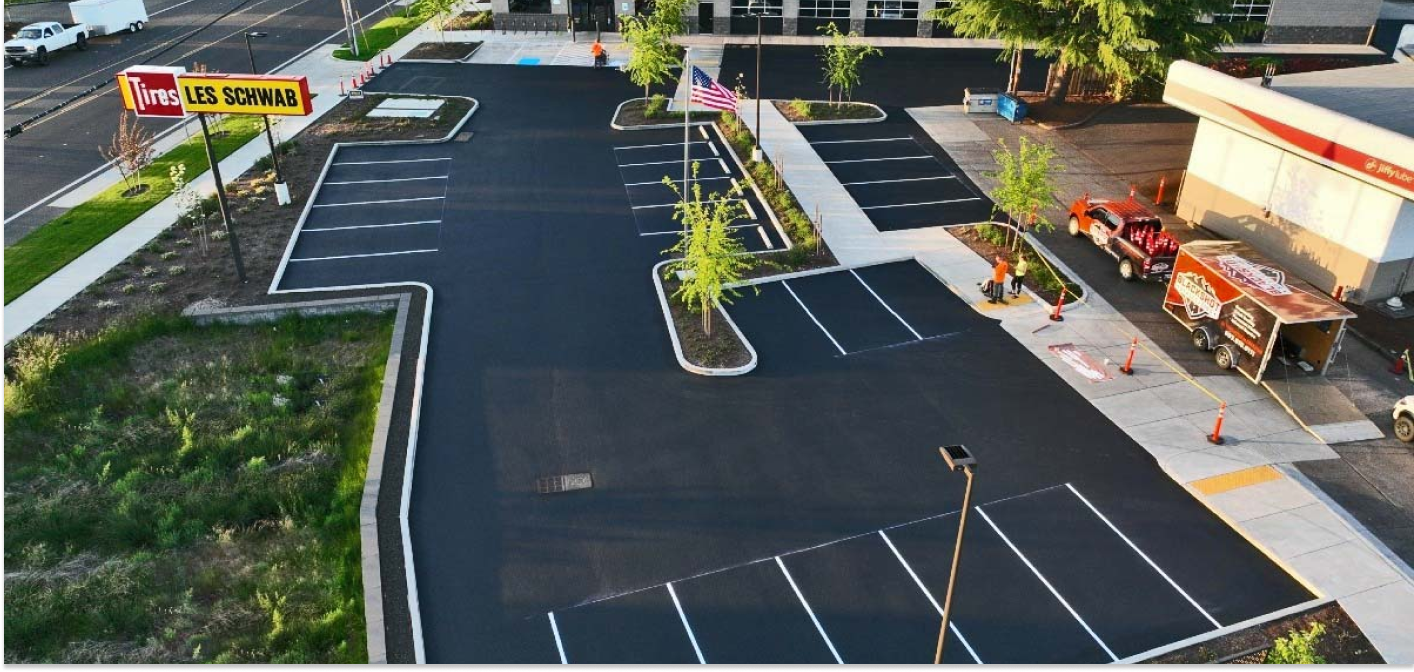
Sealcoating is a popular service designed to protect and enhance asphalt surfaces in Albany, OR. There are many benefits to scheduling routine driveway sealing services, and to enjoy all those benefits, it’s important that you schedule your project before the cold temperatures arrive. That way, you’ll get the most out of your money and enjoy the best, longest-lasting product and a beautiful and smooth driveway.
What Are the Benefits of Scheduling Driveway Sealing Before Winter in Albany, OR?
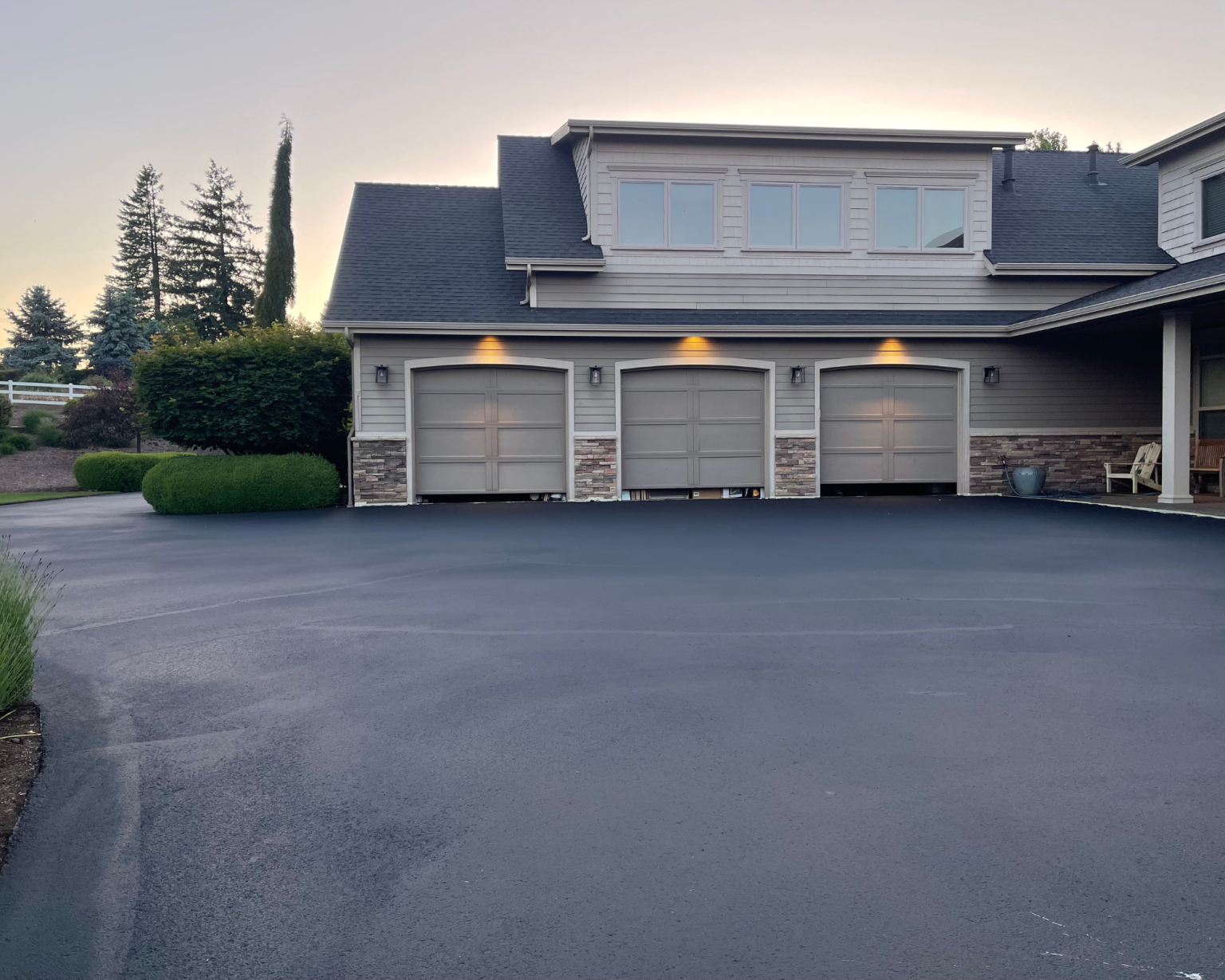
Sealcoating is a protective treatment designed to keep driveways and other asphalt services in optimal condition throughout the year. This service improves the appearance of the pavement and protects the underlying structure. When you schedule sealcoating services before winter, you’ll protect your driveway from the effects of the freeze-thaw cycle, keep it looking its best throughout each season, and ensure its optimal performance.
Protection During the Colder Months
The cold temperatures and repetitive freeze and thaw cycle wreak havoc on asphalt surfaces, including driveways. Without a protective sealcoat, water can easily seep into driveway cracks, and once that water freezes and expands, it makes existing cracks larger while also creating new ones. When you schedule this service before winter, you can prevent the effects of freezes and thaws on your driveway and protect it during the coldest winter.
Improved Driveway Aesthetics
When you schedule sealcoating during optimal weather conditions, you’ll enjoy a long-lasting final product, extend your asphalt driveway’s longevity, and ensure the most aesthetic results. Cold temperatures can cause issues during the sealant application and drying process, but they can also affect the final results and detract from your driveway’s overall aesthetics.
Sealcoating after the winter will make your driveway look smooth, shiny, and clean, but it also ensures that the products work exactly as designed to hide cracks, protect the surface from damage, and improve your home aesthetics and overall curb appeal.
Asphalt Longevity
One of the benefits of sealcoating is that it prolongs the lifespan of asphalt by preventing cracks and potholes and protects it from general wear and tear resulting from regular use. The products applied act as a protective layer that guards against the effects of oil, water, and UV rays on asphalt driveways.
It also prevents oxidation, minimizes cracks, and reduces water penetration. Sealcoating a driveway also strengthens the underlying asphalt and makes it more durable, so you don’t need to replace it sooner than necessary.
Long-Term Financial Savings
You’ll also save money when you schedule sealcoating before the winter weather arrives. Foregoing this maintenance service can increase the risk of alligator cracking, potholes, and other common forms of asphalt damage. Investing in this service will prevent you from spending money on more costly repairs because you’ll have already protected your driveway with a sealcoat.
Routine sealcoating is an investment in your driveway that will improve your home aesthetics and prevent the need for costly repairs down the road. At Blackshot Sealcoating, we provide exceptional sealcoating and other asphalt services. Contact us today at Blackshot Sealcoating in Albany, OR, to learn more about our services and to get your quote.
What Techniques Are Most Effective for Long-Term Crack Repair in Asphalt?
If you’ve noticed cracks in your asphalt surfaces in Albany, OR, and want to prevent them from worsening, scheduling professional crack repair is the best way to proceed. Professionals will use specialized processes and techniques to repair the cracks and ensure your asphalt surface remains structurally sound, smooth, and aesthetically pleasing. After scheduling this professional service, you’ll feel confident about the appearance and condition of your asphalt and that you’ve done your part to ensure vehicle and pedestrian safety.
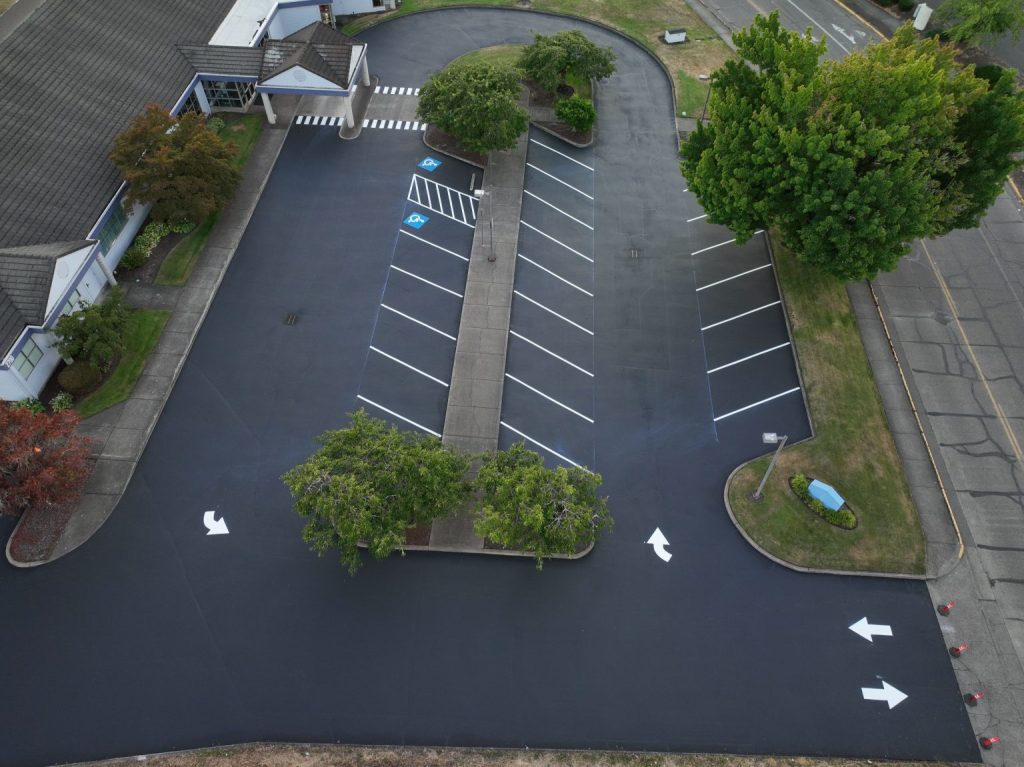
What Techniques Are Most Effective for Long-Term Asphalt Crack Repair in Albany, OR?
If you need to repair visible cracks in your asphalt, also known as alligator cracks, first and foremost, you must realize that this isn’t a job you should attempt to DIY. Doing so can negatively impact the strength and appearance of the asphalt and require more costly repairs in the long term. The most effective form of long-term asphalt repair is a professional service that addresses and corrects cracks and uses methods to prevent future deterioration of asphalt surfaces.
The professionals begin this process by identifying cracks and then using high-quality material to fill them to restore the surface integrity. The most effective process doesn’t just fill or cover cracks but aims to prevent debris, substances, and moisture from infiltrating these cracks and negatively impacting the deeper layer, which can cause extensive damage and require even more costly repairs.
The Causes of Asphalt Cracking
Asphalt cracking is common and results from various factors. The freeze-thaw cycle is one of the top contributors to asphalt cracks because it repetitively expands and contracts the asphalt surface, eventually leading to cracks of varying severity.
Sun exposure, temperature changes, environmental factors, heavy traffic, overuse, uneven weight distribution, and other factors can also cause cracking. Addressing these cracks as soon as you notice them is key to preventing them from growing and worsening, which, in that case, will require more costly repairs.
Other Asphalt Repair Options
While cracks are one of the most common forms of damage to asphalt, other issues can result due to environmental factors, wear and tear, and heavy traffic. These forms of damage can be resolved with different types of asphalt repair services, including seal coating and patching. Sealcoating is an effective option for asphalt that needs a smoother finish.
It’s also a preventative treatment that protects against damage, UV rays, weather, and oil or gasoline spills and helps the asphalt appear fresh, new, and well-maintained. Severely damaged or deteriorated asphalt surfaces will benefit from asphalt patching, which involves removing damaged asphalt in sections and replacing it with new materials. This process improves asphalt integrity and surface functionality while also preventing future damage.
If you’re looking for professional asphalt repair services, our team is ready to provide you with excellent, customer-centered services and ensure that your asphalt surfaces are in the best possible condition. Whether you need repair or maintenance, you can trust our team to meet all your needs. Contact us today at Blackshot Sealcoating in Albany, OR, to get your quote.
What Are the ADA Guidelines for Line Striping in Commercial Parking Lots in Albany, OR?
If you’re planning on installing a commercial parking lot in Albany, OR, choose a company that’s not only skilled in the technical work but also understands the importance of complying with industry standards and all ADA guidelines for line striping. That way, your lot will have all the necessary stripes, lines, and markings, you’ll create the safest environment for drivers and pedestrians, and you can prevent getting fined for having a parking lot that doesn’t meet codes.
What Are the ADA Guidelines for Line Striping in Commercial Parking Lots?
All commercial parking lots must provide accessible parking spaces that adhere to the guidelines of the Americans With Disabilities Act, also known as the ADA.
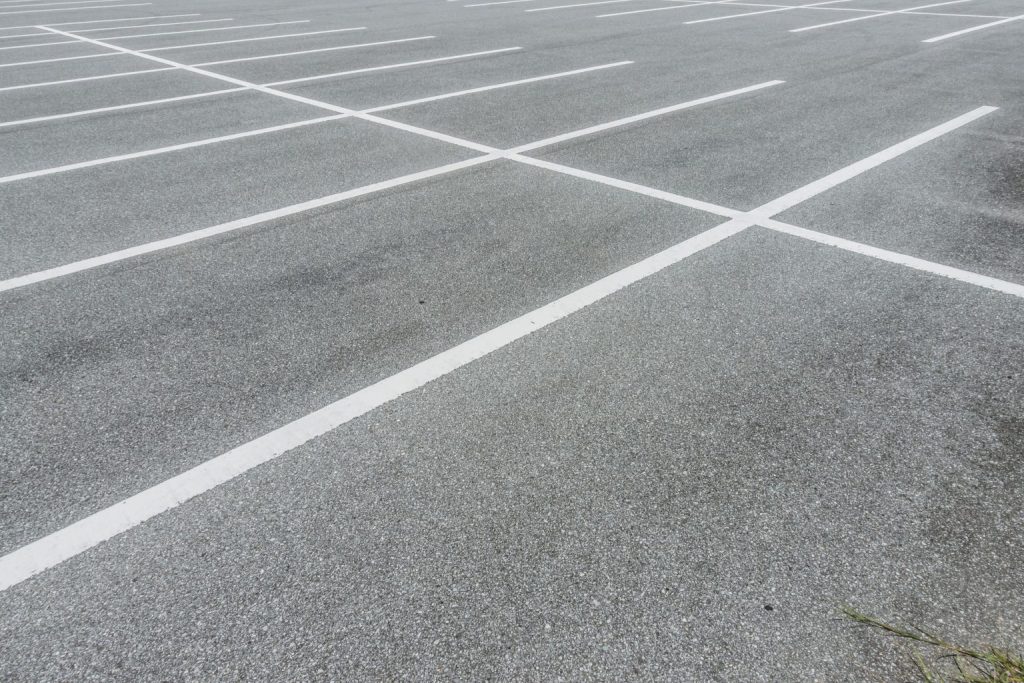
These parking guidelines ensure that disabled individuals who use canes, walkers, braces, crutches, electric scooters, Segways, and wheelchairs can easily access the entrances of stores and buildings as quickly and safely as possible.
Access Aisles and Accessible Parking Spaces
ADA guidelines require that commercial parking lots have access aisles along with accessible parking spaces. These rectangular aisles must be striped to prevent parking and allow disabled individuals to safely and easily get themselves, their mobility devices, or their wheelchairs out of their vehicles. Access aisles must be clearly marked and the same length as the parking space; they can also be shared by two accessible parking spaces.
Accessible parking spaces must be at least 96 inches wide, and their surfaces must be slip-resistant and stable to ensure optimum safety and mobility. They should also have a slope of no more than 2.08% in all directions and be situated next to an access aisle at least 60 inches wide.
Determining the Required Number of Accessible Parking Spaces in Your Parking Lot
The ADA has simplified the calculation of the total number of accessible parking spaces required for commercial lots with a well-marked chart. The total number of parking spots in your lot will determine the minimum number of accessible parking spaces permitted in your lot.
For example, a parking lot with one to 25 parking spots must have at least one accessible parking space. Parking lots with 401 to 500 parking spaces must have a minimum of nine accessible parking spaces; for every six spaces, one must be van-accessible.
Ensuring Optimal Visibility
Accessible parking spaces and access aisles are required in commercial lots, but the lines must also be visible at all times. These lines can fade over time as a result of weather, wear and tear, and traffic, posing a safety hazard and preventing people with disabilities from safely commuting from their vehicle to an entrance.
After paving your lot and having the proper lines striped, it’s important that you invest in parking lot restriping to ensure that these lines stay intact. Line restriping every 12 to 24 months will ensure optimal visibility and long-term safety.
Get a FREE estimate
Parking lot striping is a technical process that requires skill, precision, and an in-depth understanding of ADA guidelines and requirements. If you’re ready to move forward with paving and striping a commercial parking lot, our team will provide excellent service and ensure your lot adheres to all ADA guidelines. Contact us at Blackshot Sealcoating in Albany, OR for a FREE estimate!
What’s the Best Temperature for Applying Sealcoat in Oregon?
Timing your driveway maintenance right is crucial for keeping the asphalt protected against UV damage, water infiltrations, and cracks. The climate in your area is one of the main factors to consider when applying protective coats, as extreme temperatures can affect the quality of the work. Let’s explore the best temperature ranges for asphalt sealcoating in Oregon.
Best Temperature Range for Sealcoating in Oregon by Blackshot Sealcoating
No matter where in Oregon you live, the ideal temperature range for sealing asphalt is 55°F to 90°F, with a sweet spot at around 70°F.
Within this temperature range, the sealer cures at a steady pace while creating a strong bond with the pavement. The optimal curing rate allows you to use the parking lot or driveway sooner, while the sealer remains fluid enough for easy and even application.
However, waiting for the daytime temperatures to get just over 55°F is not enough. The temperature must remain fairly constant and not drop below 50°F for at least 48 hours after application. As such, the best time to sealcoat your pavement in Oregon is the warm, dry season, usually from May to October.
Why Is the Temperature Range Important?
Applying asphalt sealers in temperatures that are too cold or too hot can lead to a number of problems that affect the coat’s quality and durability. In temperatures below 50°F, the sealer might not bond properly with the asphalt, leaving it vulnerable to peeling and water damage. Cold temperatures may also thicken the sealer, making application more difficult and potentially leading to uneven coating, slowing down the curing process.
Conversely, temperatures above 90°F can cause the sealer to cure too fast, trapping solvents within the layer. This could lead to cracking, bubbling, and an overall weak finish.
Other Environmental Factors Affecting Asphalt Sealer Application
Rain
Beyond the environmental temperature, rain is the main factor that can ruin a fresh sealcoat application. The water on the asphalt surface will prevent the sealer from bonding properly, which is why the coat should only be applied on a warm and dry day with a clear forecast for at least 48 hours after application.
Wind
Strong winds are another factor to consider, as they can make it difficult to apply the sealer evenly. Wind can also blow dust and debris onto the fresh coat, leading to surface imperfections. These imperfections can prevent the sealer from bonding with the pavement, creating weak spots that will wear out faster.
Excessive Air Moisture
High air humidity levels affect asphalt sealing more like cold weather than rain by preventing proper curing. While Albany doesn’t experience the same humidity levels as the areas closer to the coast, the relative air humidity can be high during early spring and late fall.
Get a FREE estimate
Choosing the wrong time to seal your pavement could result in costly mistakes. To prevent them, contact us at Blackshot Sealcoating in Willamette Valley, OR for a FREE estimate and let our skilled team take care of all your driveway or parking lot maintenance needs.
How Often Does Asphalt Need a Fresh Sealcoat in Oregon?
 While sealcoating helps extend your asphalt’s lifespan and keep it looking its best, failing to reseal the surface can be detrimental to your pavement. Here’s how often you should seal coat your asphalt in Oregon according to our skilled Willamette Valley sealcoating team.
Asphalt Sealing Frequency ExplainedSealcoating asphalt surfaces is essential, but you should only seal the surface for the first time about 12 months after installation. Earlier sealing could trap moisture and other substances in the asphalt, resulting in cracks and faster deterioration. As long as the surface has been sealed correctly, you should have the surface resealed every three to five years.
Resealing more frequently could result in sealcoating build-up, which could turn the surface brittle and increase the risk of asphalt damage. The actual resealing frequency can be influenced by a variety of factors, including the quality of the sealer and the quality of its application.
4 Factors Affecting Asphalt Sealcoating Frequency
Application Quality
The main factor determining sealcoating frequency is the quality of the application. All sealers, including asphalt emulsions and refined coal tar, must be diluted to enable product flow, resulting in a uniform application and longer-lasting result. However, adding too much water can be detrimental. At Blackshot Sealcoating, our skilled team always respects the sealer manufacturer’s application recommendations and never waters down a product.
As a result, the sealer adheres perfectly to the asphalt surface, ensuring long-lasting durability. We also know how to select the best sealers that can withstand heavy traffic volumes and the unique weather challenges characteristic to various parts of the state.
Condition of the Asphalt
Old or damaged asphalt may require sealcoating more frequently than new or well-maintained surfaces. For this reason, cracks and other damages should be addressed before sealing the surface.
Traffic Volume
Sealcoating lasts much longer on asphalt surfaces that experience low traffic volume, such as residential driveways. When the asphalt is applied and sealed correctly, it could take up to five years before needing to reseal the surface. Surfaces that experience high traffic volumes, such as parking lots, usually need resealing after about three years.
Environmental Factors
The climate in your area is another factor affecting sealcoating frequency. In Western Oregon, for instance, driveways and parking lots directly exposed to the hot summer sun are susceptible to UV damage. The higher amount of precipitation also affects the sealer’s durability, so asphalt surfaces in this area may require more frequent sealcoating than driveways and parking lots in Eastern Oregon, where the weather is cooler and drier year-round.
Signs Your Asphalt Needs Fresh Sealer
While figuring out how often your asphalt needs sealcoating can be challenging, there are some telltale signs it is time to call in the professionals. A fading color of your driveway is one of the main indicators that it is time to reseal. A sealant coat that starts to peel or looks brittle is another clear sign you need to reseal the surface. Water pooling on the driveway instead of draining properly also means your asphalt needs maintenance.
Contact our Willamette Valley, OR Sealcoating Company for a Free Estimate
Ready to find out if it is time to reseal your driveway? Contact us at Blackshot Sealcoating serving the Portland, Salem, and Eugene, OR areas to have all your questions answered and get a free estimate.