How to Prepare Your Asphalt for Winter Weather
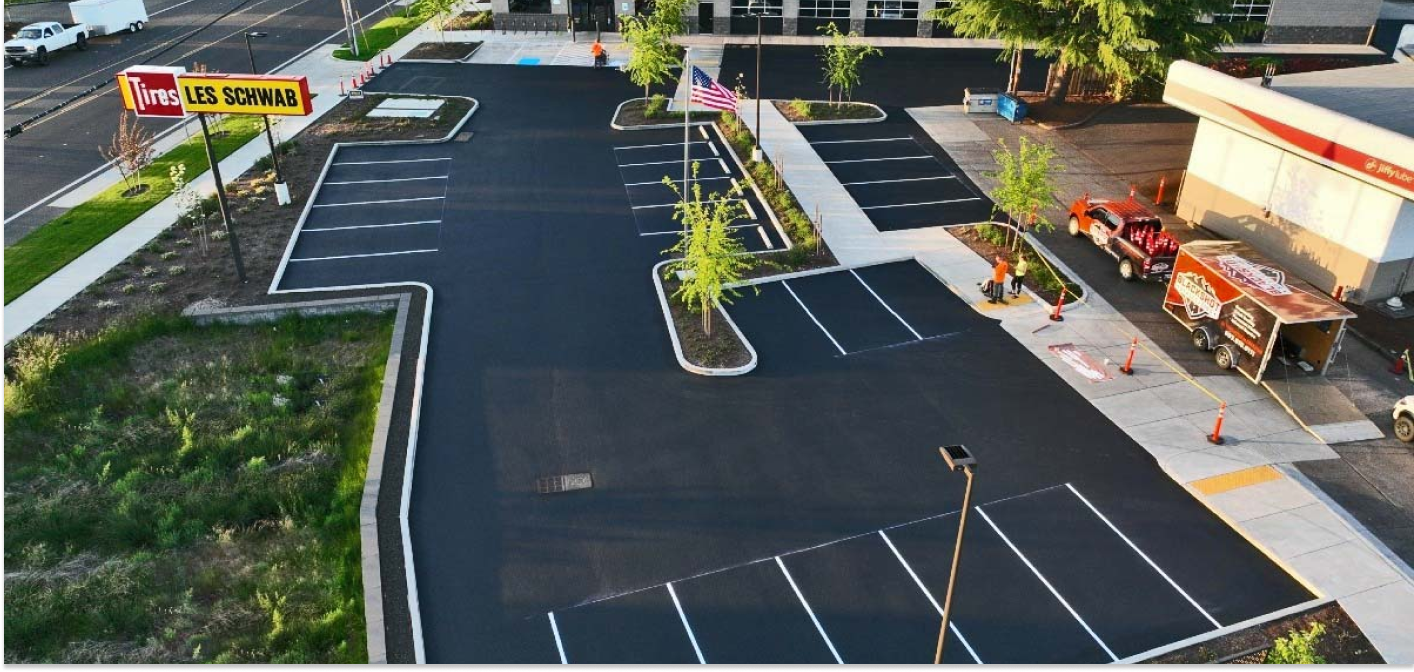
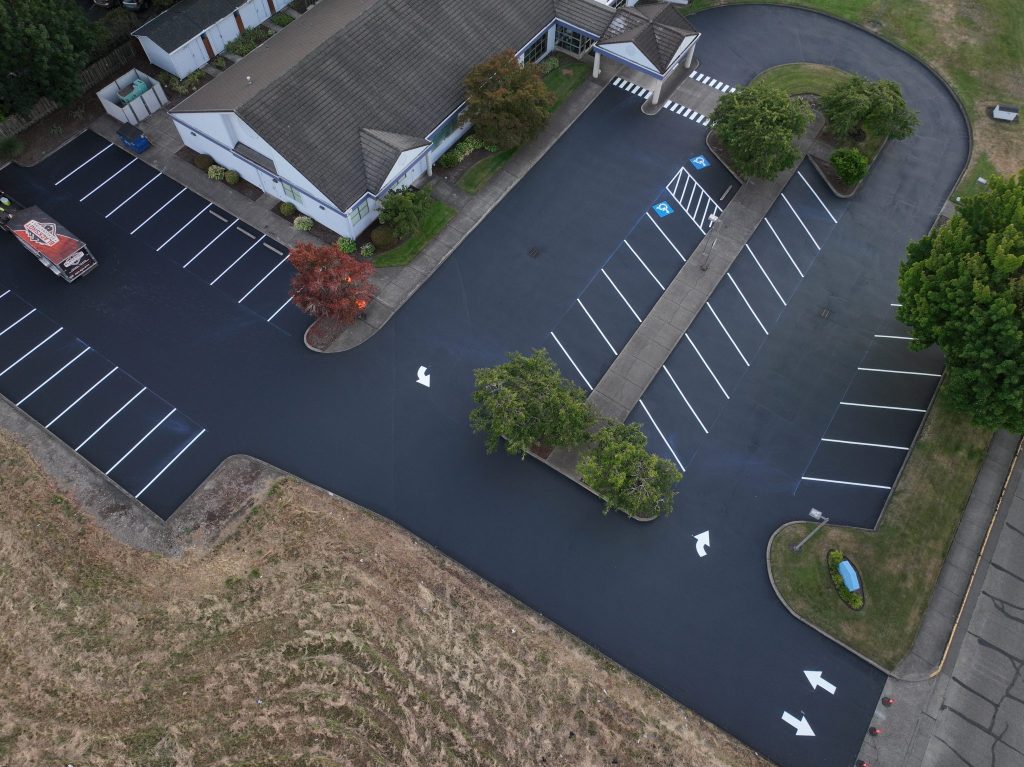 Winter weather can be brutal on asphalt surfaces, leading to cracks, potholes, and costly repairs. Taking proactive steps to prepare your driveway or parking lot before freezing temperatures and precipitation set in is crucial. This guide will walk you through essential winter preparation practices and why partnering with a trusted company like Blackshot Sealcoat ensures your asphalt stays in peak condition through the cold season.
1. Inspect and Clean Your Asphalt Surface
Before winter begins, a thorough inspection of your asphalt is the first step. Walk the length of your driveway or parking lot and take note of any visible cracks, oil stains, or signs of surface wear.
Key Steps to Take:
- Remove Debris: Sweep away leaves, dirt, and any other debris. These can trap moisture and lead to surface degradation when temperatures drop.
- Check for Cracks: Even small cracks can expand when water seeps in and freezes. Addressing these early can prevent them from worsening during winter.
2. Seal Any Cracks and Repair Damage
Cracks and minor potholes should be sealed before the first freeze. Water infiltration followed by freezing temperatures will widen cracks, potentially leading to extensive damage.
Why Sealing Matters:
Water expands when it freezes, which exerts pressure on your asphalt. Sealing these gaps creates a barrier that prevents water from entering and freezing, preserving the integrity of your pavement.
Pro Tip:
Using a professional service like Blackshot Sealcoat ensures that high-quality materials are used, providing long-lasting protection and a smoother finish.
3. Apply a Protective Sealcoat
One of the best ways to safeguard your asphalt is with a fresh sealcoat. This protective layer acts as a shield against moisture, UV rays, and chemical damage from road salts.
Benefits of Sealcoating:
- Prevents Water Penetration: Reduces the risk of cracks and surface damage.
- Enhances Durability: Extends the lifespan of your asphalt, saving you money in the long run.
- Improves Appearance: Gives your driveway or parking lot a refreshed, well-maintained look.
Blackshot Sealcoat provides professional sealcoating services that ensure comprehensive protection for your asphalt. With years of expertise, they apply the sealant evenly, ensuring maximum coverage and durability.
4. Clear and Maintain Your Asphalt During Winter
Once winter sets in, ongoing maintenance is essential to keep your asphalt in good condition.
Important Maintenance Tips:
- Remove Snow Promptly: Shovel or use a snow blower to clear snow before it compacts and turns to ice. Avoid using metal blades that can scratch the surface.
- Use Safe De-Icers: Opt for de-icing products that won’t damage the asphalt or compromise the sealcoat.
- Monitor for New Cracks: Keep an eye out for any new cracks that may appear during winter, and have them addressed promptly.
Partner With Blackshot Sealcoat for Winter-Ready Asphalt
Proper preparation and maintenance can make all the difference when it comes to protecting your asphalt from harsh winter weather. By choosing a professional company like Blackshot Sealcoat, you gain peace of mind knowing your driveway or parking lot is cared for with precision and expertise.
Why Choose Blackshot Sealcoat?
- Proven Experience: Years of providing top-quality asphalt maintenance services in Oregon.
- Attention to Detail: Thorough inspections, expert repairs, and precise sealcoating.
- Customer-First Approach: Reliable service that prioritizes your needs.
Don’t wait for winter to take its toll. Prepare your asphalt now and avoid costly repairs down the road. Contact Blackshot Sealcoat in Albany, Oregon today to schedule an inspection and get your asphalt winter-ready.
What Are the Best Practices for Pavement Maintenance to Avoid Costly Repairs?
Nobody likes unexpected costs, but when it comes to pavement maintenance, it can be difficult to know what you can actually do to help. Asphalt surfaces are made to be hardy and long-lasting, but that doesn’t mean that they are immune to the effects of the weather or wear and tear. At Blackshot Sealcoating in Albany, OR, serving the Salem, Portland, and Eugene areas, we have the lowdown on how you can make sure that your pavement lasts.
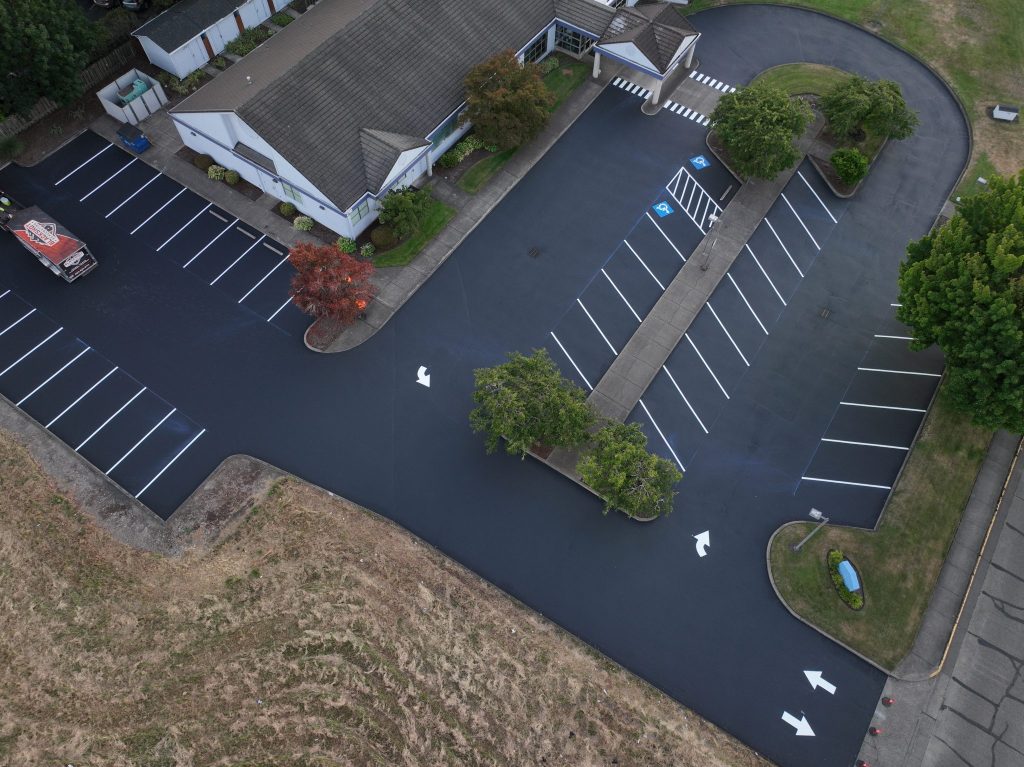
What Are the Best Practices for Pavement Maintenance To Avoid Costly Repairs?
If you put the work in to maintaining your pavement, it can make all the difference in extending its lifespan. The following best practices are recommended to ensure the durability and safety of your surfaces and avoid costly repairs down the line.
Routine Inspections and Documentation
A regular inspection routine is the foundation of any successful maintenance program. Inspections allow for the early detection of minor issues, such as small cracks or surface irregularities. Though issues usually start small, they can quickly escalate into larger, more costly problems. Some areas may present recurring issues caused by particularly heavy traffic, or by underlying structural issues. These can be identified with routine inspections.
Prompt Crack Sealing and Patching
Cracks are among the most common and damaging issues in paved surfaces, often resulting from temperature fluctuations, UV radiation, and load stress. If left untreated, they allow water to penetrate the pavement base, which causes further deterioration. Sealing involves filling cracks with a durable, weather-resistant material, while patching addresses minor potholes and surface imperfections. If the damage is sealed or patched promptly, it protects the pavement from moisture infiltration and ensures that there is no further weakening of the pavement.
Scheduled Preventative Maintenance
Treating problems when they arise is obviously important, but it’s much better to prevent issues from occurring in the first place. A scheduled maintenance plan keeps paved surfaces in optimal condition and prevents sudden, unexpected repair costs. Preventive maintenance should be scheduled based on pavement age, usage, and environmental conditions.
Seal Coating for Protection
Seal coating is a highly effective preventive treatment that can be applied to asphalt pavements to protect them from the elements. The seal coating acts as a barrier against the water, oils, and UV rays that can degrade the surface of the pavement over time. Applying a seal coat every few years helps to maintain pavement flexibility and resistance to wear, both enhancing the pavement’s appearance and extending its service life. It reduces the need for major repairs and resurfacing, making it the perfect example of spending a little to save a lot.
Regular Sweeping and Debris Removal
Dirt, debris, and vegetation buildup on paved surfaces can cause minor damages to escalate. Regular sweeping removes harmful debris that may clog drains, scratch surfaces, or hide cracks. Removing vegetation that grows along pavement edges or in small cracks prevents roots from disrupting the surface and causing additional cracks.
Regular, preventive care is always less expensive than extensive repairs or complete replacement, so these are practices a wise investment for any paved surface. To find out more on how we can help save you money through crack repair and seal coating, get in touch with us at Blackshot Sealcoating in Albany, OR, serving the Salem, Portland, and Eugene areas.
How Winter Weather Can Damage Your Asphalt Driveway
As winter arrives in Albany, Oregon, protecting your asphalt driveway from the harsh weather is essential. Winter’s freezing temperatures, ice, and snow can wreak havoc on asphalt surfaces, leading to costly repairs if left unaddressed. Learn how winter weather can damage your driveway and discover effective maintenance tips to prevent these issues.
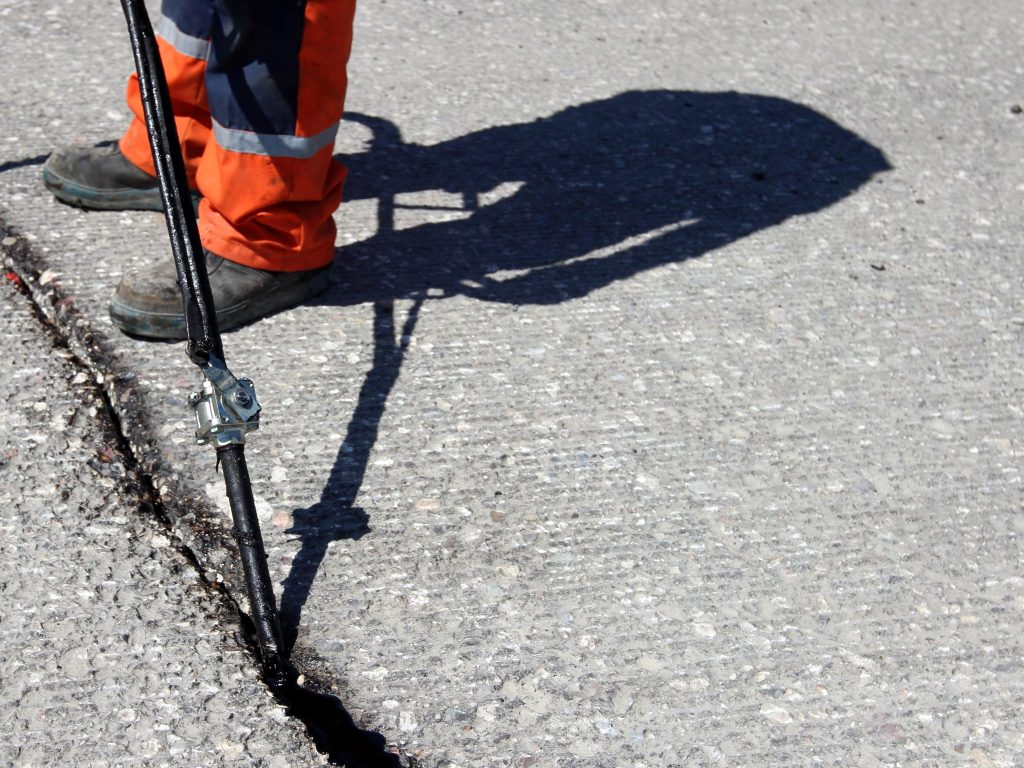
Why Winter Weather is Hard on Asphalt Driveways
Freeze-Thaw Cycle Damage
Albany, Oregon, experiences fluctuating winter temperatures that cause the water within and around your asphalt driveway to freeze and thaw repeatedly. This freeze-thaw cycle expands and contracts the asphalt, creating cracks and potholes.
Deicing Chemicals and Salt
While deicing chemicals and road salts are common solutions for slippery surfaces, they can corrode and weaken asphalt over time. These materials break down the protective sealcoat layer, leaving your driveway exposed to further damage.
Snow Removal Equipment Scraping
Heavy snow removal equipment can scrape the surface of your asphalt, particularly if the protective sealcoat has worn away. This exposes the material to moisture infiltration, accelerating deterioration.
Preventing Winter Weather Damage to Your Asphalt Driveway
Regular Sealcoating
Applying a high-quality sealcoat to your asphalt driveway acts as a protective barrier against moisture, UV rays, and chemicals. Sealcoating every 2-3 years is a critical step in extending your driveway’s lifespan. Schedule a professional sealcoating service in Albany, Oregon, to ensure optimal results.
Prompt Crack Repairs
Cracks in asphalt allow water to seep into the base layers, where freezing temperatures cause the water to expand. Address small cracks promptly to prevent them from growing into larger, more expensive issues. Blackshot Sealcoat offers expert crack sealing services tailored to Albany’s winter conditions.
Gentle Snow Removal
Use a plastic shovel or a snow blower instead of a metal shovel to remove snow from your driveway. This minimizes the risk of scraping the surface. Avoid using abrasive deicing salts, opting instead for products designed to be asphalt-safe.
Proper Drainage
Ensure your driveway has proper drainage to direct water away from the surface. Poor drainage can lead to pooling water, increasing the risk of cracks and potholes during the winter freeze-thaw cycle.
Why Choose Blackshot Sealcoat in Albany, Oregon?
Blackshot Sealcoating specializes in asphalt maintenance solutions designed to withstand Albany’s unique winter weather challenges. From professional sealcoating to crack repairs, we provide comprehensive services that protect your driveway and save you money in the long run.
Don’t let winter weather take a toll on your asphalt driveway. Proactive maintenance is the key to avoiding costly repairs and keeping your driveway in excellent condition year-round. Contact Blackshot Sealcoating to get a quote for Albany, Oregon’s best asphalt maintenance services.
What are the Most Common Asphalt Repair Issues?
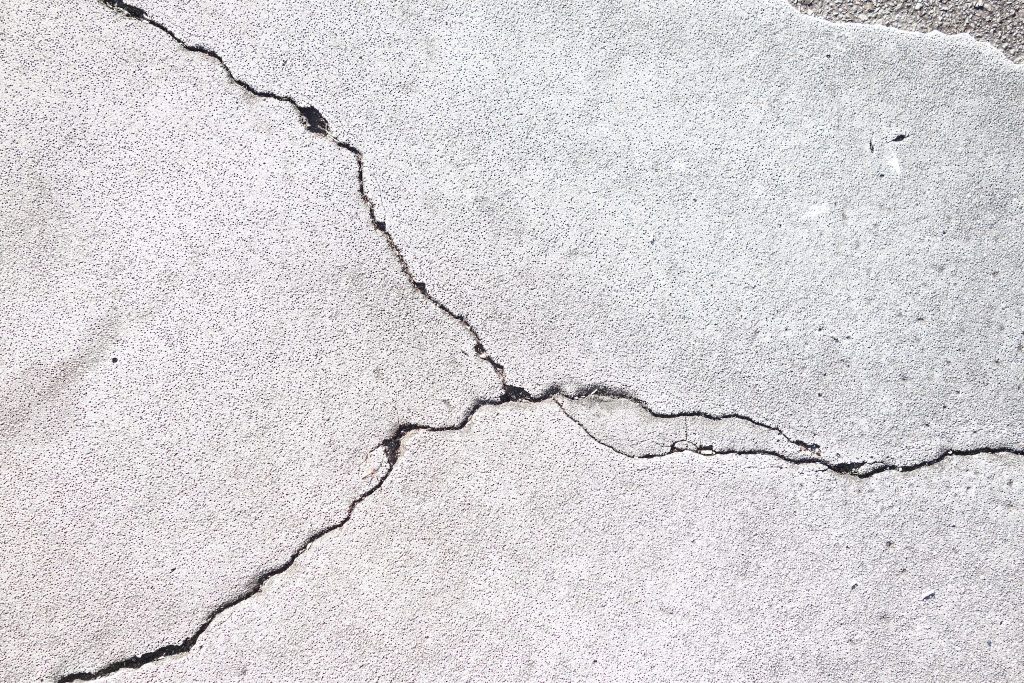 Asphalt damage can create an eyesore as well as a serious safety hazard. If you encounter any of these common pavement issues, we’re your trustworthy source of asphalt repair in Albany.
Cracking
Heavy use and inclement weather take a toll on asphalt over time, which can cause unsightly cracks. You could see small cracks along the edges of the pavement or long, straight cracks in the center, sometimes over the underlying pavement joints. Surfaces with weak material or drainage issues may even experience alligator cracking. These large patches of damage develop in a pattern that resembles the reptile’s scales.
Block cracking divides asphalt into large rectangular sections. It’s usually caused by low-quality asphalt binding along with temperature fluctuations. Slippage cracks can develop at intersections, appearing as a half-moon shape. To repair cracked asphalt, our technicians use high-quality filling material to restore structural integrity. Then we create a seal that prevents debris and moisture from entering the repaired crack and causing further damage.
Raveling
Your asphalt shows raveling damage if parts of the pavement have completely disintegrated. This issue starts with a rough, eroded surface. Eventually, you’ll notice areas with loose gravel, which spread as the material degrades further. This issue can lead to a dangerous uneven surface and unsanitary standing water. While small areas of raveling often respond well to patching, larger areas may require complete removal of the damage and resurfacing.
Potholes
Large holes in the asphalt typically result from a perfect storm of changing temperatures, water entry, and frequent traffic. When water enters a small crack, it quickly becomes a bigger problem as vehicles traverse the weakened area. When the water freezes, the damaged area will rapidly expand. Potholes often develop from unrepaired alligator cracks.
In this situation, we’ll patch the pothole and then use infrared technology to ensure the strength of the repair. Finally, seal coating keeps moisture out and creates a smooth surface.
Rutting
With rutting damage, the asphalt develops a depression in a wheel path with heavy traffic. These ruts create a hydroplaning hazard since they fill with water when it rains. This accumulated moisture also makes the damage worse. You can identify ruts and other depressions in the pavement by checking where water collects after a shower.
Upheaval
This issue occurs when asphalt bulges upward, creating a domed surface with cracks along the side. Upheaval results from repeated freezing with moisture accumulation, which causes the underlying subgrade to swell.
Fading and Discoloration
Ongoing exposure to UV rays can cause the surface of your asphalt to become discolored or fade. This also degrades the material, which makes it more susceptible to damage. Regular sealcoating can help combat this concern.
Fixing minor issues with asphalt can halt the development of more serious problems. We use high-quality construction materials to seal out moisture and maintain the beauty and durability of your drive surface. Contact Blackshot Sealcoating in Albany, OR today for a full consultation if your pavement needs attention.
5 Signs Your Driveway Needs Immediate Sealcoating
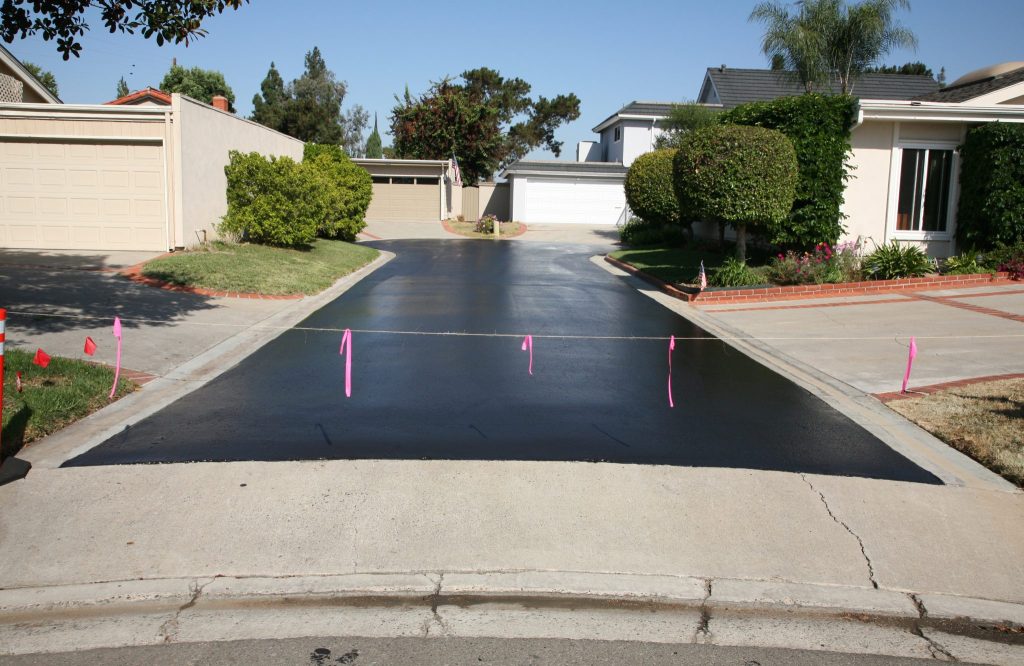 Your driveway is one of the first things people notice about your home, and maintaining it is crucial to both curb appeal and long-term durability. Sealcoating is a protective process that extends the life of your asphalt, shields it from harsh elements, and keeps it looking pristine. However, many homeowners don’t realize when their driveway is due for this essential service. Here are five unmistakable signs your driveway is crying out for immediate sealcoating.
1. Fading or Dull Appearance
One of the earliest and most visible signs that your driveway needs sealcoating is a faded or dull surface. Asphalt naturally starts with a rich black color, but over time, sun exposure and oxidation cause it to turn gray and lose its vibrant look. This not only detracts from your property’s aesthetic but also indicates that the asphalt is no longer adequately protected from UV rays and weather damage. A fresh coat of sealant restores its sleek, dark finish while adding a layer of protection.
2. Cracks and Small Fractures
Cracks are an obvious red flag for homeowners. Even small fractures in your driveway’s surface can quickly escalate if left untreated, allowing water to seep into the foundation. During colder months, trapped water freezes and expands, worsening the damage. Sealcoating helps to fill minor cracks and create a smooth barrier against water intrusion. If you notice these fractures forming, act quickly before they lead to more costly repairs or full resurfacing.
3. Oil Stains and Chemical Spills
Asphalt driveways are particularly vulnerable to oil stains, gasoline, and other chemical spills. These substances not only cause unsightly discoloration but also weaken the asphalt’s composition, leading to premature degradation. If you see oil spots or evidence of chemical erosion, a professional sealcoating can cover the blemishes and provide a shield against future spills. Regular maintenance prevents permanent staining and keeps the surface intact.
4. Potholes Starting to Form
While potholes are often associated with extensive neglect, their formation begins with small cracks and weak spots in the asphalt. If you notice any areas of your driveway beginning to dip or crumble, it’s a sign that the underlying structure is compromised. While sealcoating alone may not repair existing potholes, it’s a critical step in preventing further deterioration and supporting patchwork repairs. Ignoring these signs could lead to a full replacement of your driveway.
5. Water Pooling or Uneven Surface
After rainfall, take note of how water behaves on your driveway. Puddles or areas where water collects suggest that the surface has become uneven or porous. This is often a sign of asphalt degradation, which compromises its ability to shed water effectively. Sealcoating restores the smooth surface necessary for proper drainage and protects against future erosion.
Take Action Before It’s Too Late
Recognizing these signs early and scheduling sealcoating can save you from more significant expenses down the line. A well-maintained driveway not only enhances your home’s appearance but also protects your investment. If you spot fading, cracks, stains, or pooling water, don’t wait—reach out to a professional sealcoating service today to preserve and protect your asphalt.
Key Considerations for Parking Lot Maintenance in Albany, Oregon
While most people don’t think about parking lots, they are important spaces that provide functionality, safety, aesthetics, and branding for businesses. That is why it is essential to ensured that they are well-maintained, damage-free, and in good condition. Although there are a variety of factors that inflict damage to asphalt, keeping up with proper maintenance doesn’t have to be difficult. That is why we’ve compiled this guide to understanding parking lot maintenance in Albany, Oregon.
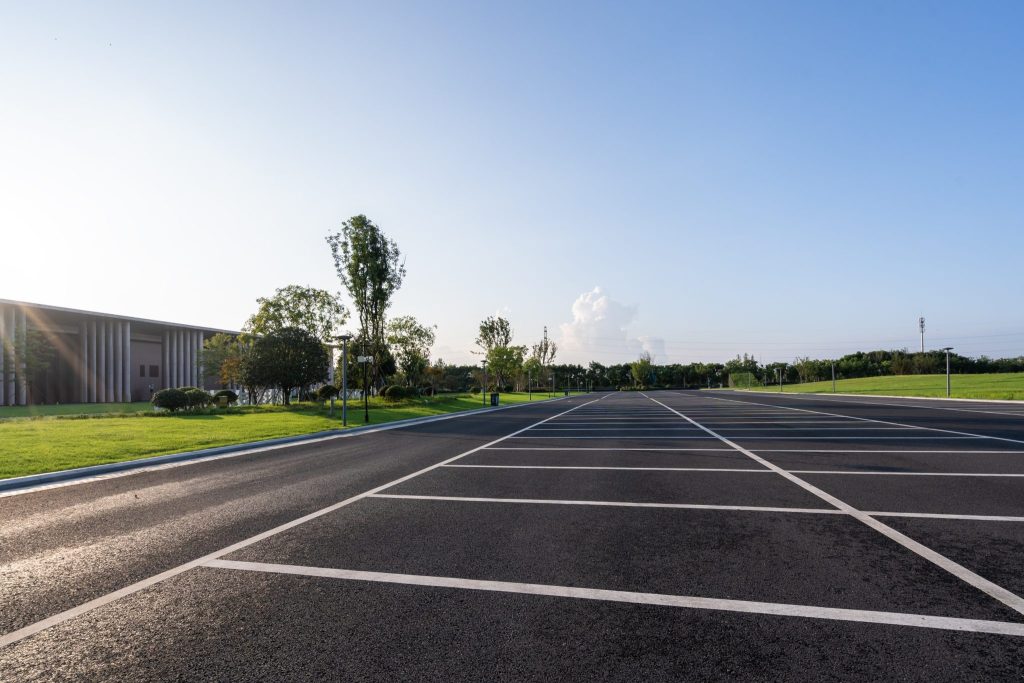
Key Considerations for Parking Lot Maintenance in Albany, Oregon
Factors that Cause Damage
Even the toughest of surfaces suffer wear and tear over time, and parking lots are no different. One of the biggest factors affecting parking lots is weather. Highly exposed areas accrue damage due to sunlight, rain, snow, and even oil spills. These materials break down the asphalt, causing cracks, potholing, and faded paint lines. Winter conditions can be especially pernicious, as freeze-thaw cycles cause moisture within pavement to expand and contract, causing erosion and degradation.
While traffic is excellent for business, an unforeseen consequence of high traffic is damage to parking lots. It is especially important to ensure regular maintenance for busy parking lots to maintain their value and function. Time itself also plays a toll, inflicting gradual wear and tear to asphalt surfaces that can eventually lead to damage and deterioration.
Prevention Tactics
As with so many things, prevention is key to longevity. One of the easiest methods to prevent parking lot damage is regular cleaning and debris removal, whether by hand, broom, blower, or power washer. Keeping your parking lots clean prevents asphalt deterioration and the accumulation of dirt that makes it difficult to identify new issues. This includes regularly removing snow and laying down salt in the winter, which keep pedestrians and drivers safe, in addition to the surface itself.
Regular sealcoating is an essential parking lot maintenance step that should be done every 2–3 years to protect its surface. Sealcoating involves applying a protective coating to the asphalt surface to shield it from the elements, prevent water penetration, and enhance its appearance. A professional sealcoating application is an affordable way to maintain your parking lot over time as it prevents the kinds of damage that are costly to repair.
Damage Repair
As much as you can try to prevent damage to your parking lot, it is inevitable that some major repairs will be needed over the course of its lifetime. Repairs can be fixed through a variety of professional methods, such as infrared repair, cut out and replace, or resurfacing.
Infrared repair involves heating up the compromised area, removing the damaged material, and blending new asphalt with the existing surface. Using the cut-out and replace method, a damaged area is cut out using excavation techniques and replaced with fresh, high-quality asphalt. Resurfacing is applying a fresh, new layer of asphalt over top of the existing surface, giving it a renewed look and strength.
Contact Blackshot Sealcoating in Albany, OR today to get a quote. We serve the whole Willamette Valley, including Portland, Salem, and Eugene.
The Hidden Costs of DIY Sealcoating
Sealcoating is an essential part of asphalt maintenance, protecting your driveway from oxidation, water damage, and everyday wear and tear. While the idea of tackling a sealcoating project yourself may seem like a cost-effective solution, many homeowners underestimate the true expense of a DIY approach. From purchasing materials to correcting costly mistakes, the hidden costs of DIY sealcoating often make hiring a professional the smarter and more affordable choice.
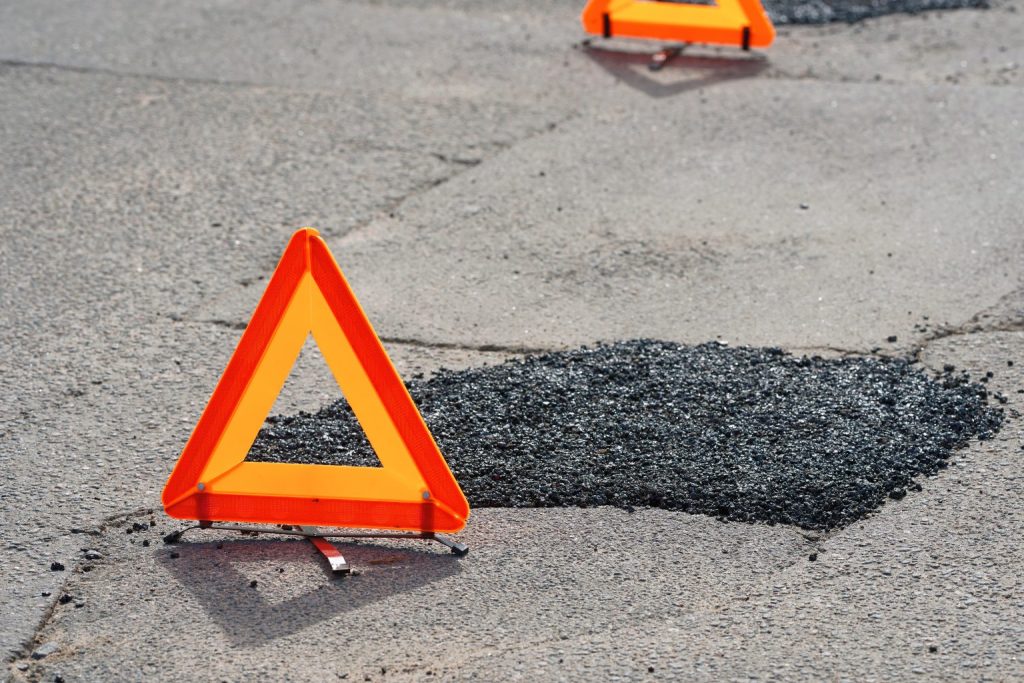
Understanding the Importance of Sealcoating
Sealcoating serves as a protective barrier that extends the life of your driveway by preventing damage from UV rays, oil spills, and moisture. Without it, asphalt deteriorates quickly, leading to cracks, potholes, and expensive repairs. In climates with extreme temperature shifts, such as harsh winters or scorching summers, routine sealcoating is even more critical.
While professional sealcoating services ensure high-quality application and durability, many homeowners attempt a DIY approach to save money. However, without the right tools, materials, and experience, DIY projects can lead to poor results that require frequent reapplications, or worse, premature driveway replacement.
The Hidden Costs of DIY Sealcoating
1. Upfront Material Costs Add Up Quickly
At first glance, a bucket of sealant from a home improvement store may seem affordable, but the actual amount required for proper coverage is often underestimated. To achieve a durable, even coating, you’ll need:
- High-quality commercial-grade sealant (often unavailable to homeowners)
- Sealcoating squeegees or sprayers
- Crack fillers and patching materials
- Protective gear, including gloves, goggles, and proper work clothing
By the time you’ve gathered all the necessary materials, the cost can rival or exceed the price of a professional sealcoating service without even considering the time and effort involved.
2. Inferior Sealants Mean More Frequent Applications
Most DIY sealants found in retail stores are lower in quality than the commercial-grade products used by professionals. These consumer-grade sealers often contain higher water content, which leads to faster wear and less protection against the elements.
While a professional-grade sealcoat can last 3–5 years with proper maintenance, a DIY application may only provide 1–2 years of protection meaning you’ll be sealing your driveway much more frequently, leading to higher long-term costs.
3. Improper Application Leads to Costly Repairs
Sealcoating is not as simple as spreading a layer of sealant and letting it dry. Common DIY mistakes include:
- Applying sealcoat too thickly, causing peeling and uneven drying
- Not properly cleaning and prepping the surface, leading to poor adhesion
- Sealing over cracks without filling them first, allowing water to seep in and cause further damage
A poorly executed sealcoating job can accelerate driveway deterioration, requiring additional repairs that could have been avoided with a professional application.
4. Time and Labor
A professional sealcoating crew has the training and equipment to complete the job efficiently, often in just a few hours. For a DIYer, the process can take an entire weekend—or longer, depending on the size of the driveway and weather conditions.
Beyond the physical labor involved, improper application can result in costly re-dos. A homeowner may spend days correcting mistakes, only to end up hiring a professional to fix the job anyway.
5. Risk of Property Damage and Safety Hazards
Sealcoating involves working with chemicals and tools that can cause injury or property damage if not handled correctly. Some risks include:
- Sealant spills staining concrete, brick, or siding
- Skin and eye irritation from exposure to chemicals
- Slippery surfaces during application, leading to falls and accidents
Professionals are trained to apply sealcoat safely and efficiently while protecting surrounding areas from damage. Attempting the job without the proper knowledge or precautions can lead to unnecessary expenses and safety concerns.
Why Hiring a Professional is the Smartest Investment
Instead of dealing with the hassles, risks, and long-term costs of DIY sealcoating, hiring an experienced asphalt contractor ensures:
- Proper surface preparation – Cleaning, crack filling, and patching done the right way
- High-quality commercial-grade sealants – Longer-lasting protection and durability
- Even, professional application – No streaks, puddles, or peeling
- Time and cost savings – Get the job done right the first time
A professional sealcoating service not only enhances the curb appeal of your home but also maximizes the lifespan of your driveway, saving you thousands in repairs and replacement costs.
Get a Free Quote for Professional Sealcoating Today
Don’t waste time and money on DIY sealcoating that won’t last. Let our experts handle the job with the precision and quality you deserve. Contact us today for a free, no-obligation quote and protect your driveway the right way.
How Can Sealcoating Extend the Lifespan of Your Asphalt?
Whether for your business or your home, sealcoating can help boost the longevity of asphalt surfaces by protecting them from the elements. If you live in Albany, OR, keep reading to learn how you can keep your driveways and parking lots looking freshly paved.
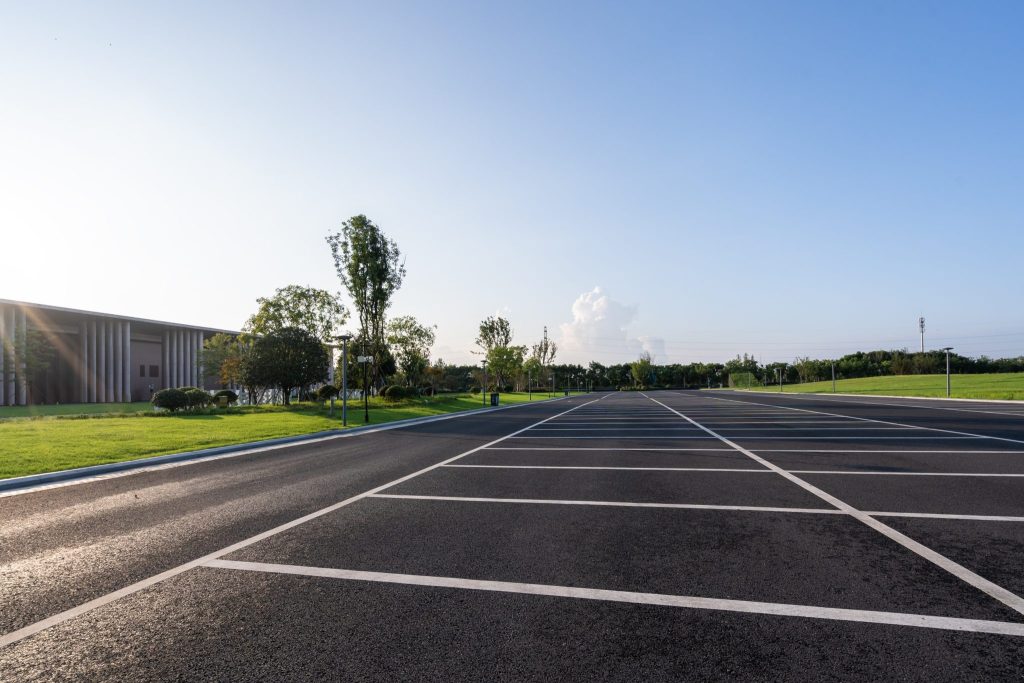 How Sealcoating Protects Asphalt in Albany, OR
Prevents Water Damage
When you seal coat asphalt, it adds a protective sealant that’s designed to prevent water from seeping into the asphalt and eroding your pavement.
Blocks UV Rays
Over time, exposure to UV rays can cause asphalt to become brittle and crack. A properly applied seal coat, however, blocks UV rays and keeps your asphalt flexible and intact.
Prevents Oil and Chemical Damage
Just like water, oil, gasoline, and other chemicals can break down asphalt pavement, resulting in cracks and potholes. This is because the binder in asphalt is a petroleum-based bitumen that can be dissolved in oil and gasoline.
If you’ve spilled oil or gasoline on your asphalt and notice that the area of the spill is starting to feel spongy, then the process of breaking down the asphalt binder has already begun.
Reduces Oxidation and Aging
If you’ve ever seen a rough and crumbly asphalt surface it probably hasn’t had a seal coat applied in a very long time, if ever. That’s because asphalt gradually loses the oils and binders that help it stay smooth and structurally sound.
If your asphalt has turned gray instead of maintaining its deep black color, it is a sign of oxidation and binder degradation.
Enhances Aesthetics
The surface of asphalt with a well-maintained and regularly applied seal coat has a shiny, dark appearance. This improves the curb appeal of homes, schools, and businesses, which in turn improves their perceived value.
Simplifies Maintenance
When you regularly seal coat your asphalt, it’ll retain its smooth surface, making it easier to clean. Having a smooth, sealed surface prevents dirt and debris from hiding between cracks. Those cracks widen over time and can lead to potholes, like oil and chemical spill damage.
Improves Resistance to Traffic Wear
Applying a seal coat to asphalt will improve its durability, making it more resistant to wear and tear from trucks, cars, and other vehicles.
What to Know Before You Seal Coat
You should apply a seal coat about every two to three years. It’s best to apply in the summer or when it’s warmer out, that way, it dries quicker, so you don’t have to wait too long to drive on your pavement.
While applying a seal coat goes a long way to prevent cracks in asphalt, if a larger crack is present, you’ll want to repair it before moving forward. For small surface scratches, a quality seal coat can fill in the gaps and restore your pavement surface.
Applying a seal coat to your pavement can restore its aesthetics and ensure your asphalt has the best defense against traffic, oil spills, and damaging UV rays. Don’t wait to seal coat your business, contact Blackshot Sealcoating in Albany, OR.
The Best Time of Year to Sealcoat Your Driveway in Oregon
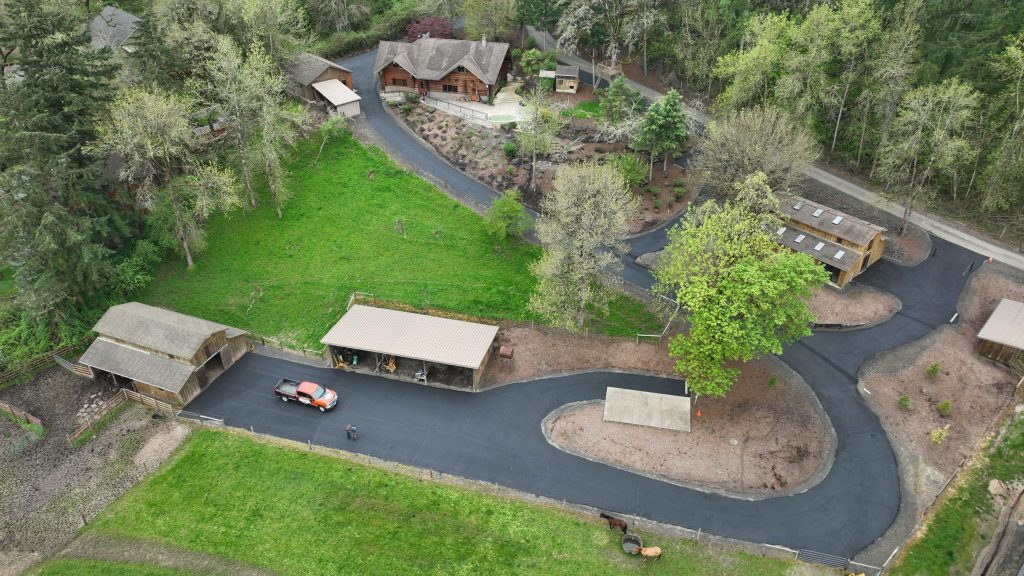 A well-maintained driveway is key to protecting your investment in your home. Sealcoating is essential for preserving asphalt, preventing cracks, and extending the life of your pavement. However, timing plays a crucial role in how well the sealer bonds and cures. Choosing the right season ensures optimal results and long-lasting protection.
If you’re considering sealcoating in Albany, Oregon, now is the perfect time to start planning. Get a professional opinion today by requesting a free quote from Blackshot Sealcoating: Get a Quote.
Why the Right Timing Matters
Sealcoating serves as a protective barrier against moisture, UV rays, and daily wear. However, for the sealant to bond properly, certain weather conditions must be met:
- The temperature should be at least 50°F and rising.
- There should be no rain for at least 24 to 48 hours.
- The sealer needs time to cure, which happens best in warm, dry conditions.
Applying sealcoat at the wrong time can lead to uneven coverage, poor adhesion, and a shorter lifespan for the protective layer.
Is Spring a Good Time for Sealcoating?
Spring can be an excellent time for sealcoating in Albany, Oregon, but with some important considerations. By mid to late spring, temperatures typically warm up enough for sealcoating to be effective. However, Albany’s climate tends to have frequent rain showers in early spring, which can make scheduling more challenging.
Why Spring Can Work Well:
- The moderate temperatures help the sealer cure at a steady rate.
- There’s less risk of extreme summer heat softening fresh sealcoat.
- Sealcoating early in the year protects against summer sun damage.
Potential Challenges:
- Unpredictable rain can delay projects or impact curing times.
- Morning dew and lingering moisture may require additional drying time.
For homeowners looking to sealcoat in spring, working with an experienced professional is key. A skilled contractor will monitor the forecast and choose the best window of time for application.
Why Summer Is the Best Time to Sealcoat
While spring can work, summer remains the best time for sealcoating in Albany, Oregon. From June through early September, the weather conditions are most favorable for a successful application.
Benefits of Summer Sealcoating:
- Higher temperatures help the sealer bond and cure quickly.
- Less rain means fewer weather-related delays.
- Longer daylight hours give the sealer ample drying time before nightfall.
The biggest downside to summer sealcoating is demand. Since it’s the most popular season, scheduling early is recommended to secure a spot.
Fall Sealcoating: A Last-Chance Option
Early fall can still provide good conditions for sealcoating, especially in September when temperatures remain warm. However, as the season progresses, temperatures begin to drop, and rainfall increases, making successful application more difficult.
Homeowners who wait until fall should schedule their service as early as possible to avoid unexpected weather shifts.
Why Winter Is Not a Good Time
Winter is not suitable for sealcoating in Albany. Cold temperatures, high moisture levels, and frequent rain prevent the sealant from curing properly. If driveway maintenance is needed during winter, homeowners should focus on crack repair and plan for sealcoating in the next warm season.
The Risks of Sealcoating at the Wrong Time
Applying sealcoat when the weather conditions aren’t ideal can lead to several issues:
- The sealer may not cure properly, leaving a sticky surface.
- Rain can wash away uncured sealcoat, requiring a reapplication.
- Cold temperatures can cause peeling and premature wear.
- A poorly bonded sealcoat won’t provide long-lasting protection.
For the best results, it’s important to schedule sealcoating when conditions allow for proper drying and curing.
Get a Professional Residential Sealcoating Service Quote in Albany, Oregon
If your driveway is showing signs of wear, don’t wait until cracks and damage become more costly to fix. Blackshot Sealcoating provides expert sealcoating services in Albany, ensuring your asphalt gets the protection it needs.
The best time to sealcoat is before harsh weather causes damage. Request a free estimate today: Get a Quote.